NonprofitCommunity nonprofit
Bridge and Bloom
At Bridge and Bloom, they believe in the power of community to uplift and heal. They are a nonprofit organization dedicated to creating a world where everyone has a chance to flourish.
Nonprofits, community groups & relief organizations
Most Minnesota nonprofit websites were built by someone who has since left. A board member's nephew, an AmeriCorps VISTA whose term ended, an agency that gave you a discount in 2019 and stopped answering email. Three years later the staff page lists two people who moved on, the donate button points to a platform nobody has the login for, and the events page ends at a fundraiser that already happened. The organization is doing more work than ever, and its website is quietly arguing the opposite.
Seven nonprofit websites delivered — Bridge and Bloom, HARO, Ultimate Success Insight in St. Cloud, A Hand 4 Change, Somali Orphanage Support, Maangaar Voices, and Lyricality — covering youth literacy and arts, immigrant disability advocacy, Central Minnesota poets, and Horn of Africa relief.
We have built seven of these sites — Bridge and Bloom, HARO, Ultimate Success Insight in St. Cloud, A Hand 4 Change, Somali Orphanage Support, Maangaar Voices, and Lyricality — and every one started the same way: by asking who updates this on a Tuesday. The answer is almost always one part-time coordinator with maybe forty minutes a week between grant reports. So we design around that person, and around the four things the site owes you: donate, volunteer, enroll in a program, and reach a human.
Worth knowing
A growing number of foundation and government grants require that anything you build with the money is accessible, and reviewers increasingly check. The working standard is WCAG 2.1 Level AA. Separately, the Department of Justice has been tightening web accessibility rules for public entities and their contractors, with compliance dates falling in 2027 and 2028 depending on population served — the dates have moved more than once, so confirm the current rule before you cite one in an application. We build to WCAG 2.1 AA practice by default at no extra cost; formal conformance testing and a documented remediation report is a separate, quotable piece of work. This is general information, not legal advice.
Published ranges, not a call-for-pricing page. These are what projects in this sector actually land at with us. Your number depends on page count, functionality, and how much content support you need.
One-program nonprofit site
Six to ten pages, one donation flow, a volunteer form, and staff training. Right for organizations under roughly $250,000 in revenue with one program and one part-time coordinator.
$2,500 to $5,000
Multi-program or grant-funded site
Several program areas, events and registration, impact reporting, a second language, and WCAG 2.1 AA testing documented for funders. This is where most Minnesota nonprofits with paid staff land.
$5,000 to $12,000
Ongoing care
Updates, backups, security patching, and someone to call in November when Give to the Max Day traffic arrives. Optional. Plenty of our nonprofit clients skip it and email us instead.
$75 to $300 / month
Want the full breakdown across every service? See ourpricing page.
Proof
Real projects, real organizations, live sites you can go and look at.
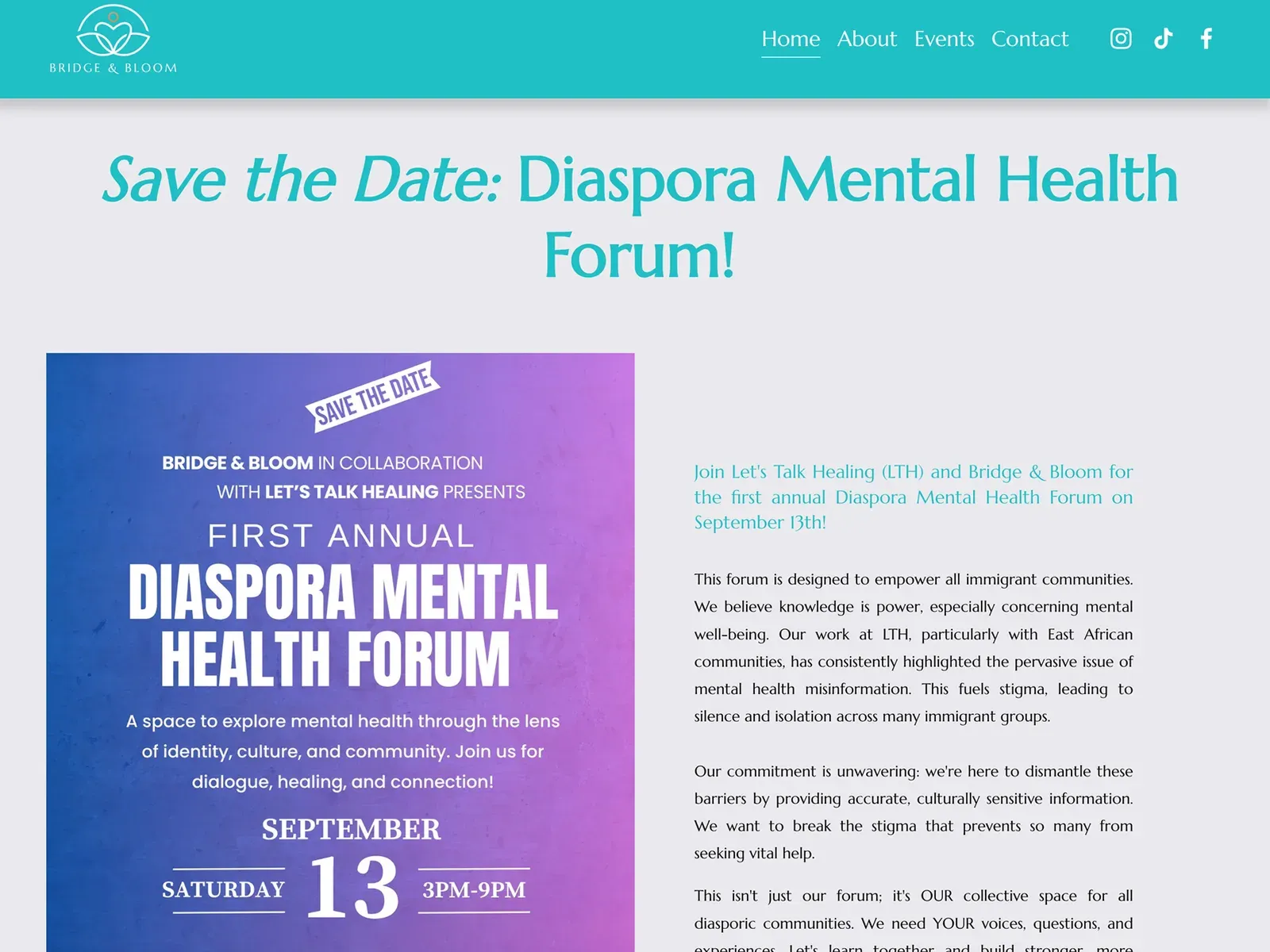
At Bridge and Bloom, they believe in the power of community to uplift and heal. They are a nonprofit organization dedicated to creating a world where everyone has a chance to flourish.
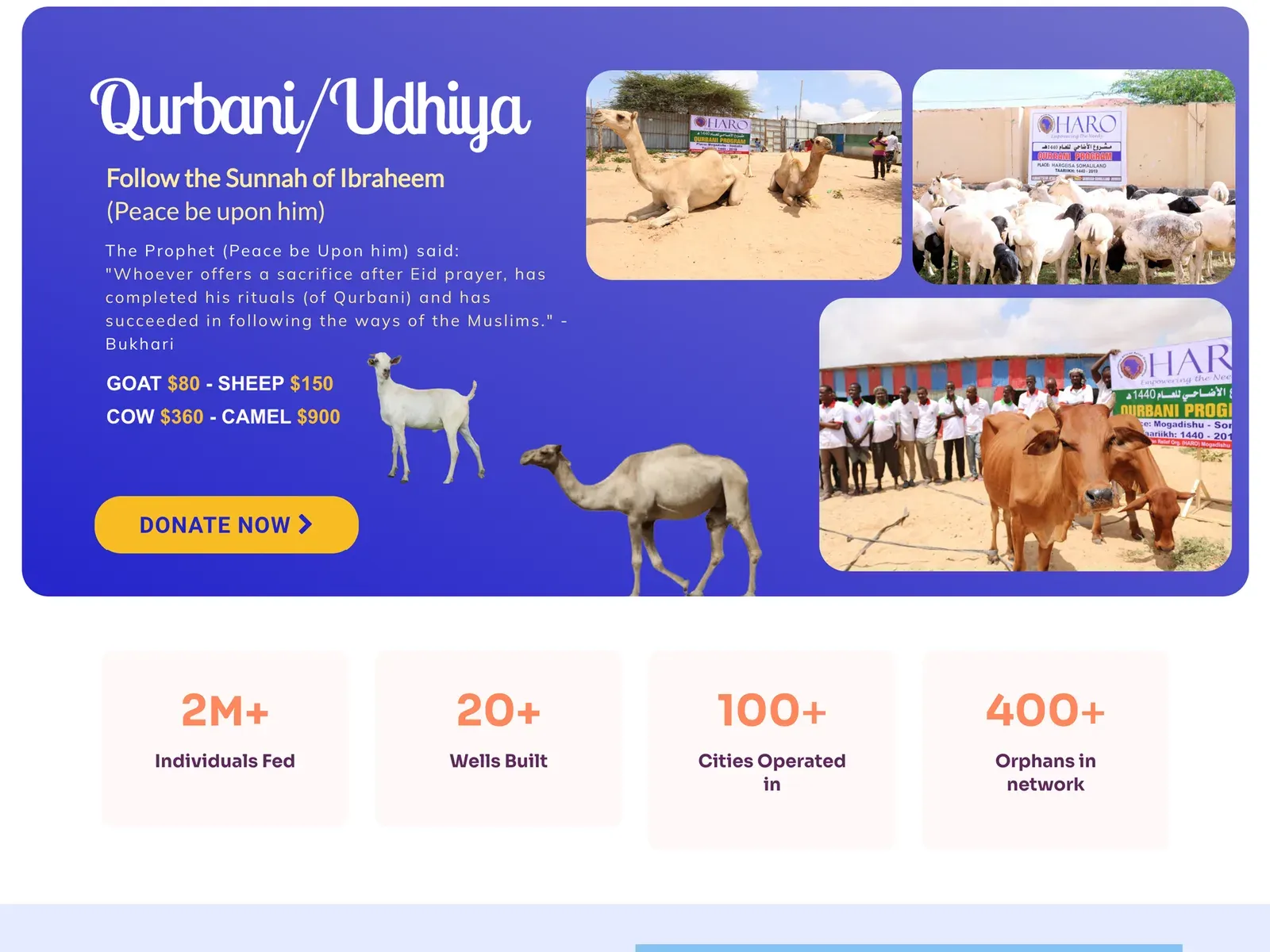
Humanitarian African Relief Organization (HARO) is a nonprofit international relief and development organization located in the United States. Its purpose is to provide urgent humanitarian relief and long-term solutions to systemic issues throughout the Horn of Africa.
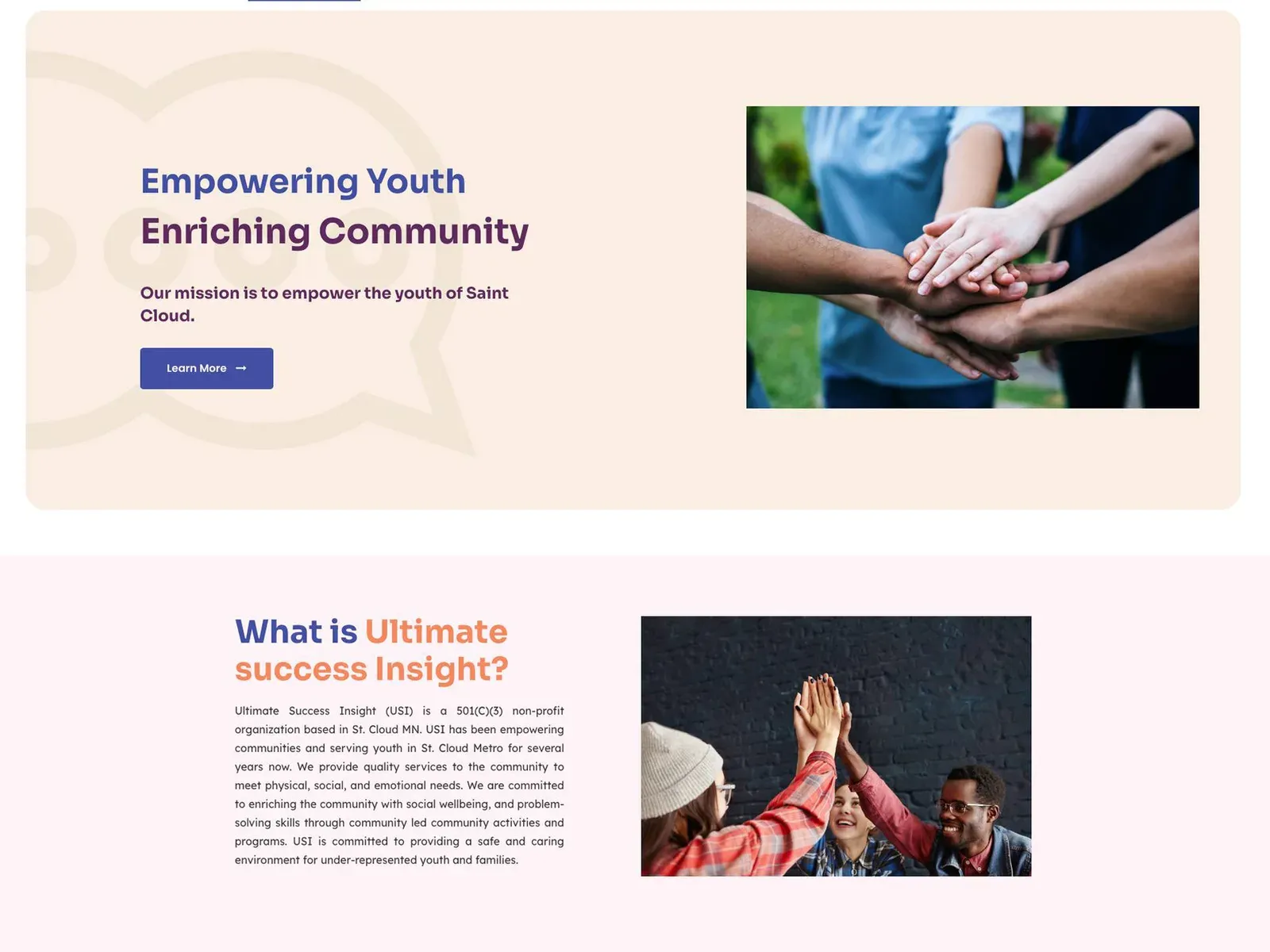
Ultimate Success Insight (USI) is a 501(c)(3) nonprofit organization based in St. Cloud, MN. USI has been empowering communities and serving youth in the St. Cloud metro for several years.
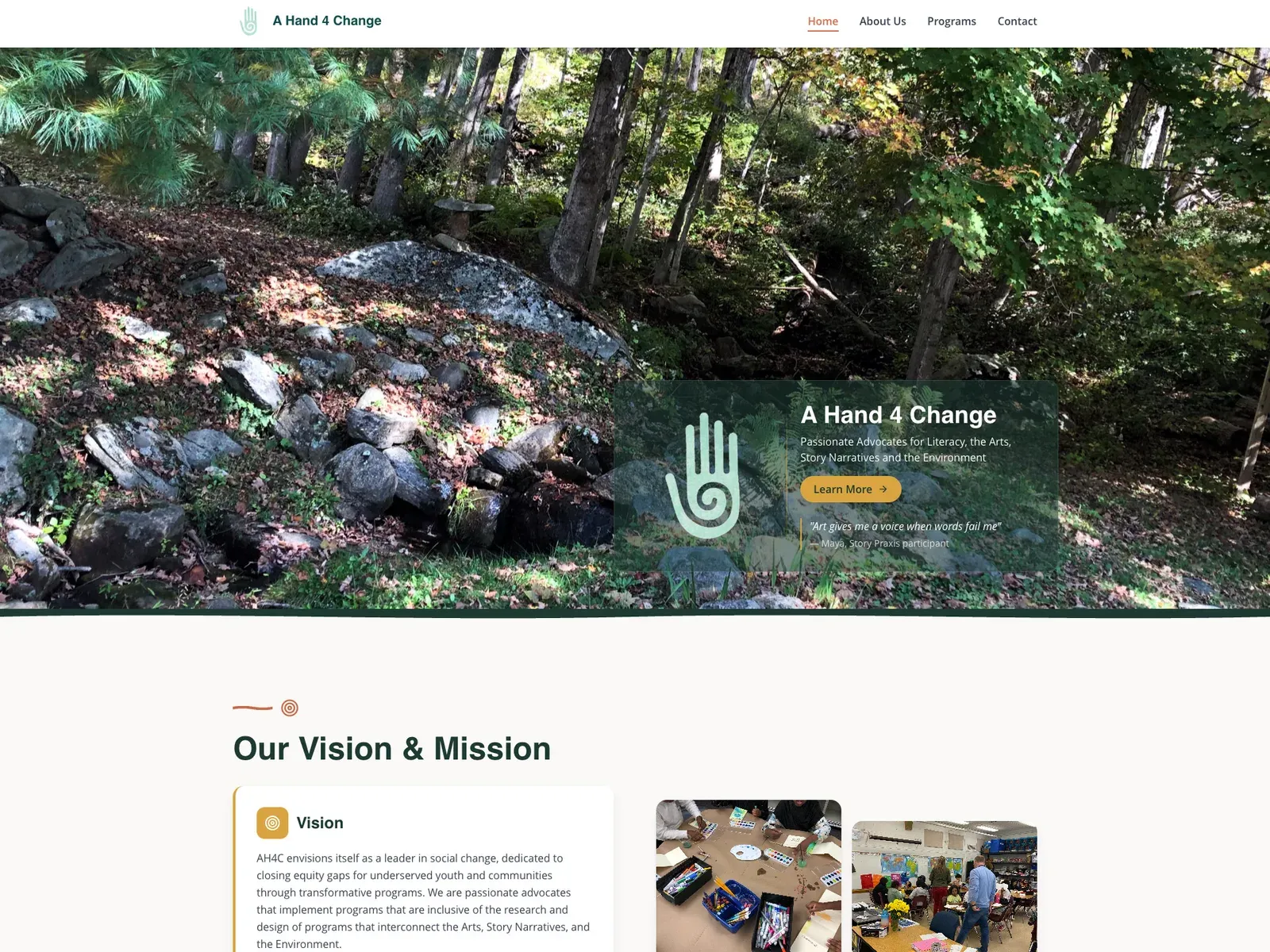
A Hand 4 Change empowers youth through literacy, arts, storytelling, and environmental education. They offer transformative programs including Climate Literacy, Story Praxis, and Art of Hosting workshops that build confidence and community.
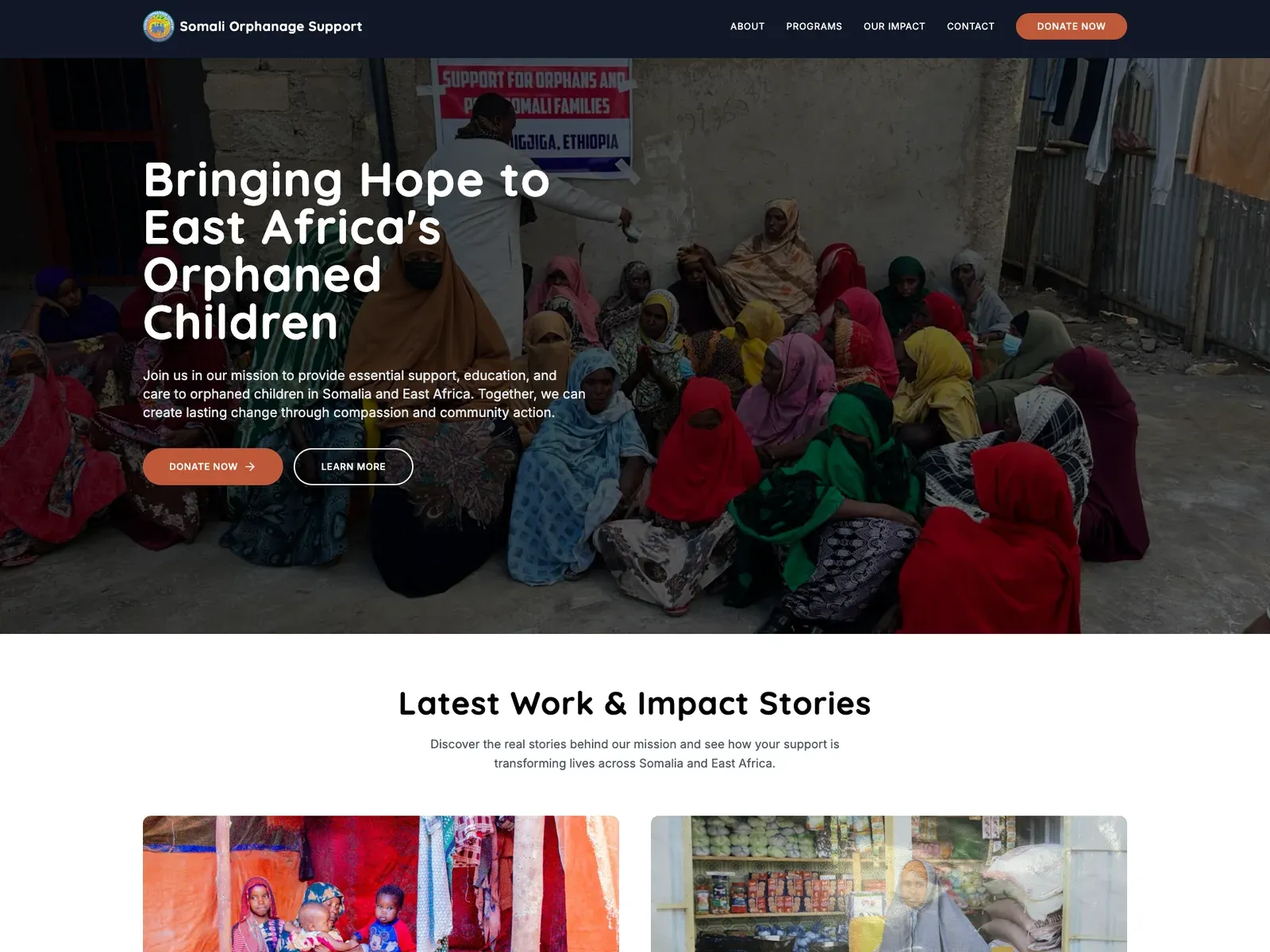
Somali Orphanage Support is dedicated to providing essential care, education, and support to orphaned children in Somalia and East Africa.
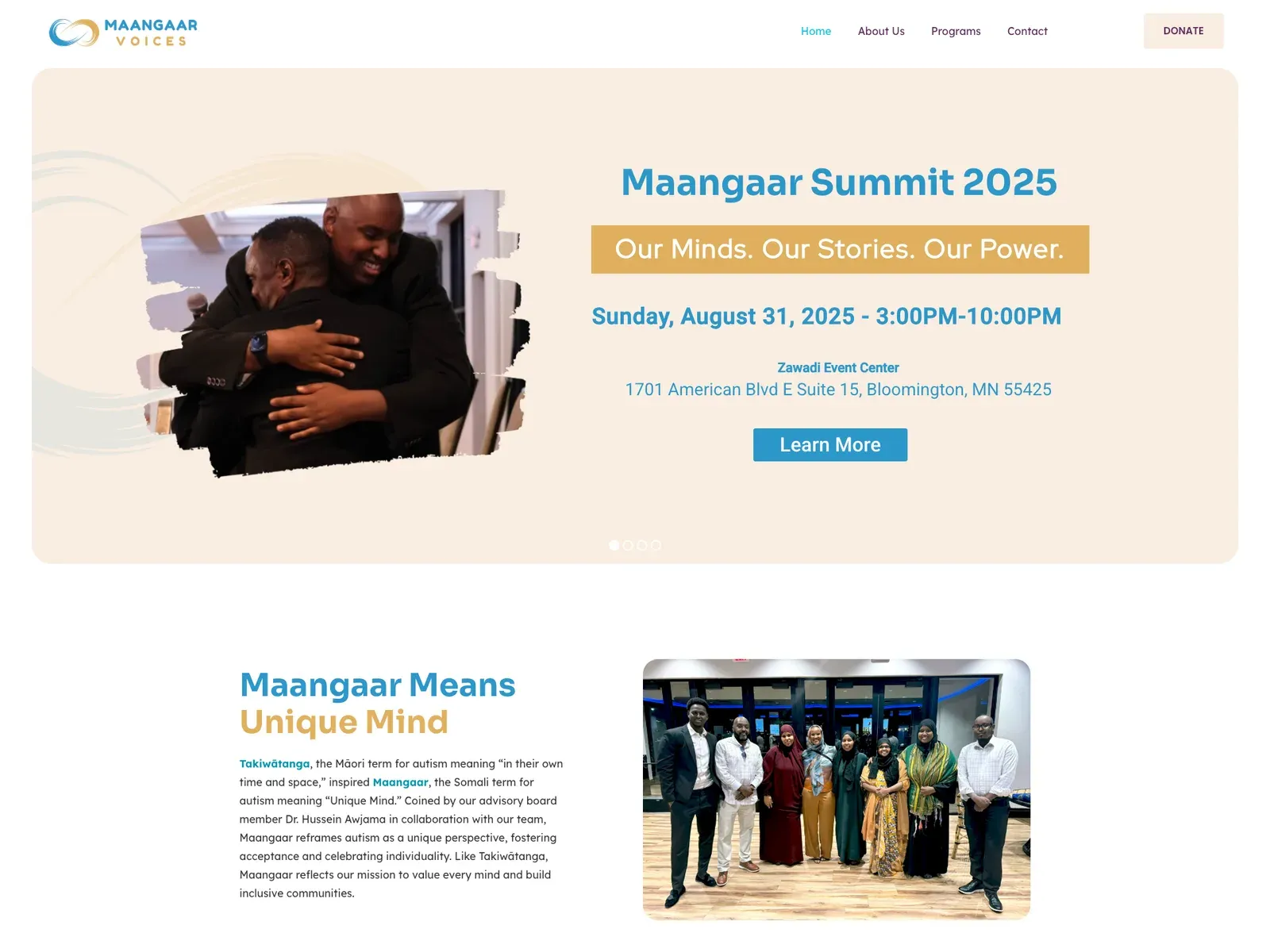
Maangaar Voices was officially founded in 2024, building upon nearly two decades of grassroots advocacy and activism for the immigrant disability community.
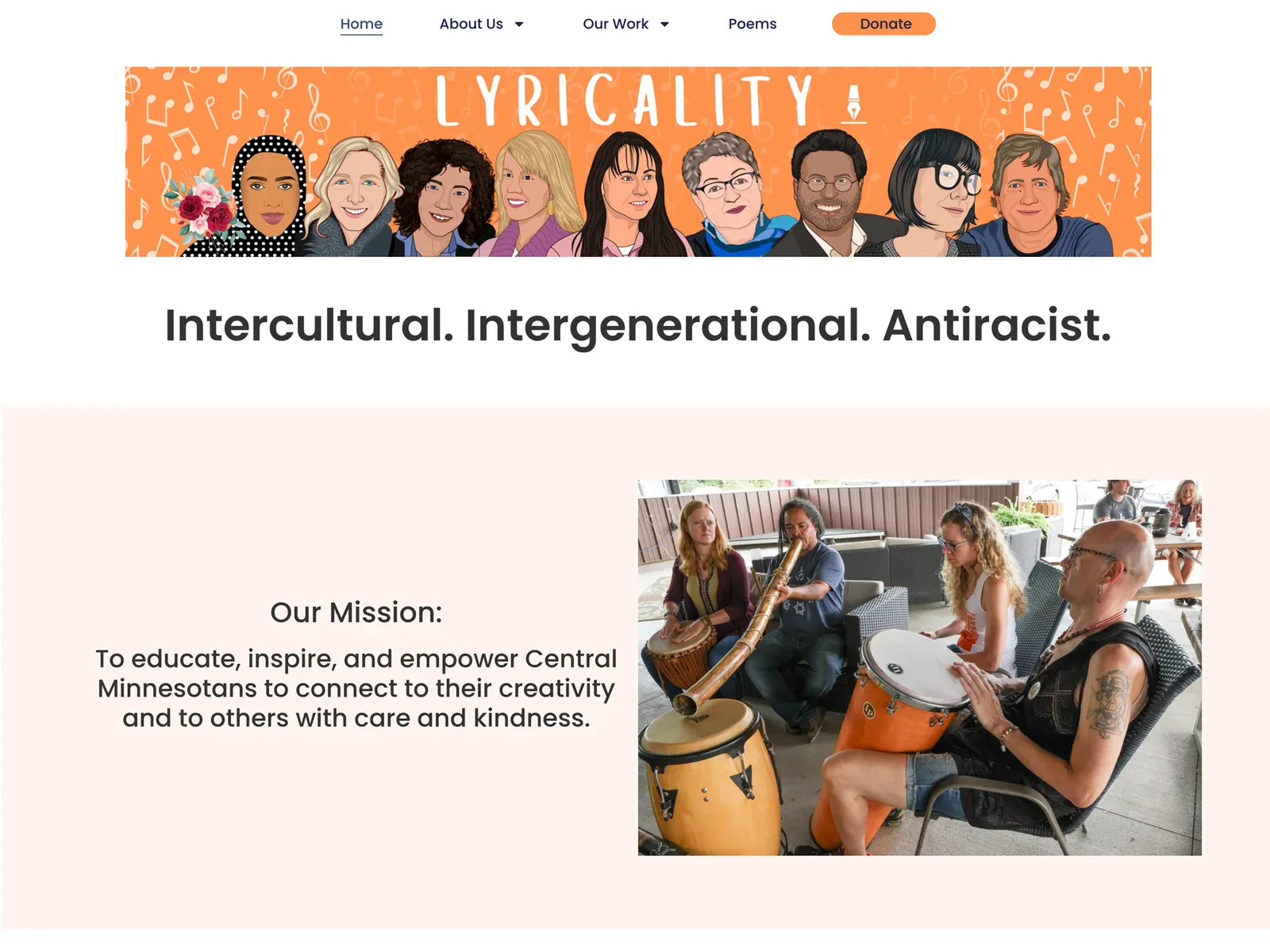
Lyricality is a collective of Central Minnesota poets focused on building a place of equity in the community for creatives to connect with care and kindness.
How we work
We listen to your goals, gather your requirements, create a design strategy, and deliver a website that works. Here is what that looks like.
We listen to your goals. A short conversation about your organization, your audience, and what success looks like.
We gather your requirements and turn them into a clear design strategy, sitemap, and timeline you can sign off on.
Our designers and developers craft a responsive, fast, and accessible product tailored to your brand.
We deliver a website that works, then stay available for updates, security checks, and improvements as you grow.
FAQ
We scope to the budget instead of discounting a package. Tell us the number and we will tell you what it buys. If you are a new organization under about $75,000 in revenue and you need one page and a Zeffy link, we will say so and point you at a template you can run yourself. Call us when the programs outgrow it.
It depends on volume and who administers it. Zeffy costs the organization nothing and asks donors for an optional tip, which suits small budgets and irritates some donors. Givebutter and Donorbox are easier for campaigns and peer-to-peer. Stripe direct is cleanest if you already have a bookkeeper. Over a year the fee difference usually exceeds what the website cost, so decide this before we design the page.
Usually WCAG 2.1 AA, sometimes Section 508 language when federal dollars pass through the state. In practice: semantic headings, real alt text, keyboard navigation, visible focus, contrast that passes, labeled forms, captions on video. We test with a keyboard and a screen reader. For Maangaar Voices, which advocates for immigrants with disabilities, accessibility is the audience, not a grant checkbox. Send us your funder's language at kickoff.
Yes, and we build the structure so a language can be added later without a rebuild. What we recommend against is a translate widget. Machine Somali reads as broken to a Somali speaker, and it undermines trust with the exact audience you built the page for. Pick the six pages that matter — programs, eligibility, how to apply, contact — and have them translated by a person.
It is most of what determines whether the grant works. Google gives eligible 501(c)(3)s up to $10,000 a month in search ads, then deactivates accounts that stay under a 5% click-through rate. That rate depends on landing pages that match real searches — one page per program, not a single homepage — plus conversion tracking on donations and form submissions. Most organizations never spend close to the full amount, and the reason is usually the website.
Start a project
Let's work together to create solutions that make a real impact. Tell us about your project and we'll come back with a clear plan.